
 Log In
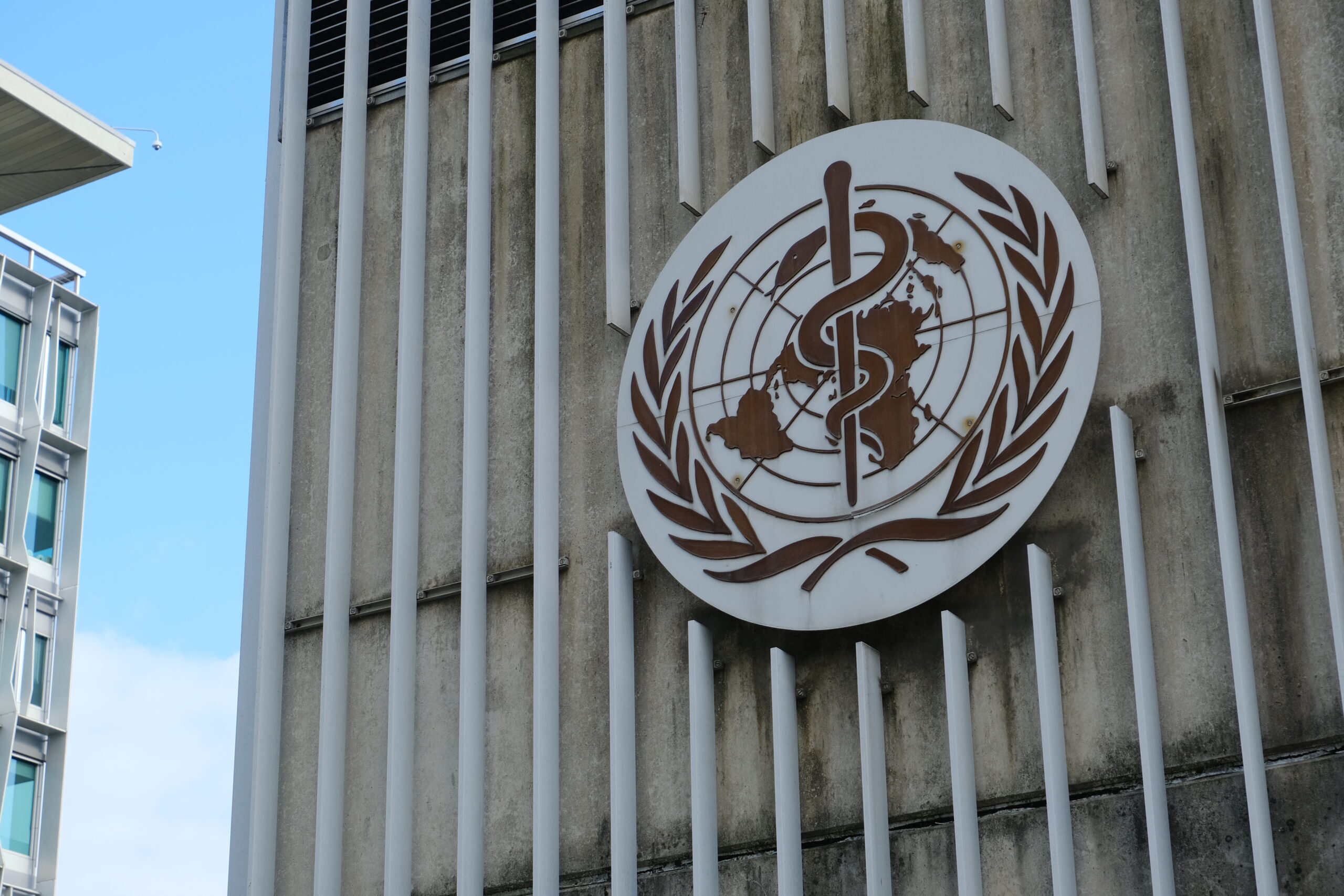
International Special Dietary Foods Industries (ISDI) has submitted comments on the World Health Organization’s draft Integrated food profiling model for regulatory measures.
ISDI supports effective action to improve dietary patterns and prevent diet-related noncommunicable diseases. However, further work is needed to ensure the model is scientifically robust and appropriate for its intended regulatory uses.
The submission identifies four priorities:
- Exclude all Foods for Special Dietary Uses (FSDU) that meet the Codex definition.
- Test the nutrient and ingredient criteria against independent dietary, behavioural and health outcomes.
- Distinguish the draft model from the broader Nova-derived “ultra-processed food” comparator used in its analysis.
- Assess the evidence and likely impacts before using the model for specific policies, such as marketing restrictions, labelling, taxation or public procurement.
Why does ISDI call for Foods for Special Dietary Uses to be excluded?
ISDI calls for the model to exclude all Foods for Special Dietary Uses (FSDU) meeting the definition in Codex Standard CXS 146-1985, including products that meet the general definition where no product-specific Codex standard has been established.
FSDU are specially processed or formulated to meet nutritional requirements arising from a physical or physiological condition, a disease or disorder, or a particular dietary need. Their composition, intended users and role in the diet differ from those of foods intended for the general population. They include products such as infant formula, complementary foods, foods for special medical purposes, gluten-free foods, sports foods and other products designed for particular populations.
Many are already covered by dedicated Codex standards and guidelines covering their composition, safety, labelling and use. ISDI therefore considers that they should be assessed under these specialised frameworks, rather than through a general model designed for foods consumed by the wider population.
The absence of a category-specific Codex standard does not mean that a product lacks a specialised nutritional purpose. ISDI therefore recommends basing the exclusion principally on the general FSDU definition in CXS 146-1985.
Why do the purpose of a product and function of an ingredient matter?
An ingredient should not be assessed in isolation. Its function, the purpose of the product and the needs of the people for whom the product is intended all matter.
This is particularly important in specialised nutrition. In foods for special medical purposes, for example, flavour and texture can influence whether people are able and willing to consume a product designed to meet their nutritional needs.
A 2026 study comparing five powdered foods for special medical purposes found significant differences in sensory acceptability between flavour variants, with the neutral formulation receiving the lowest overall ratings. This illustrates why product acceptability and ingredient function can matter.
ISDI therefore requests that the WHO consider the function of ingredients alongside a product’s intended population, nutritional or clinical purpose, conditions of use and applicable regulatory framework.
Why does the model require further scientific validation?
The draft model takes dietary recommendations designed for people’s overall diets and uses them to set criteria for individual food products. ISDI considers that the WHO should demonstrate that this approach works as intended.
Dietary recommendations concern what people eat overall and over time. The contribution of an individual food also depends on how much is consumed, how often, by whom and for what purpose.
ISDI therefore recommends testing the proposed product criteria against independent evidence on diets, behaviour and health.
This is also relevant to the model’s ingredient criteria. The draft model identifies specified flavours, colours and sweeteners independently of nutrient composition. ISDI considers that the WHO should show what the ingredient criteria add to the nutrient criteria, and whether they improve the model’s ability to identify products relevant to its public health purpose.
The WHO’s analysis indicates that nutrient thresholds alone identify nearly 92% of the constructed regulatory reference set, rising to 97.92% when the specified ingredient criteria are added. ISDI therefore asks which additional products are captured by the ingredient criteria, and whether including them makes the model more accurate or useful for its stated public health purpose.
Increased agreement with a selected comparator should not, in itself, be treated as evidence of improved public health validity.
How does the draft model relate to “ultra-processed food” classification?
ISDI also calls for a clearer distinction between the proposed integrated food profiling model and the broader Nova-derived “ultra-processed food” classifier used as a comparator in the draft analysis.
The two systems use different criteria. A high level of agreement between them shows that they classify many products in the same way. It does not, by itself, demonstrate that the proposed model accurately identifies products relevant to public health. ISDI therefore considers that this should be described as classification concordance, rather than independent validation.
This reflects a wider scientific debate about how both a food’s nutritional composition and the way it is processed should inform nutrition policy. Recent academic analysis has emphasised that nutrient-based and processing-based systems measure different things, even when they classify many of the same foods similarly.
A separate 2026 review concluded that processing-based approaches can contribute useful food system insights, while warning that their application in isolation may create unintended consequences.
ISDI therefore recommends validating the model against outcomes relevant to its stated purpose rather than primarily against agreement with another classification system.
Could the model discourage beneficial reformulation?
Reformulation can improve the nutritional composition of foods, for example by reducing sodium, sugars or saturated fat. In some cases, ingredients such as flavours or sweeteners may also help maintain product acceptability while enabling these reductions.
Under the proposed approach, however, a product could remain identified because it contains a specified flavour, colour or sweetener even after its sodium, sugar or saturated-fat content has been reduced below the relevant nutrient thresholds.
This could make meaningful nutritional improvements less visible and, potentially, reduce the incentive to reformulate products in ways that support public health objectives.
ISDI therefore recommends reporting separately whether a product is identified because of its nutrient content or because of particular ingredients. This would ensure that improvements in nutritional composition remain visible. The WHO should also assess whether the model could unintentionally discourage beneficial reformulation.
Why should regulatory application be assessed separately?
Food profiling models can potentially inform very different policies, including front-of-pack labelling, marketing restrictions, taxation, public procurement and reformulation programmes.
Classification should inform policy decisions, not automatically determine them.
Before using the model for a specific policy, authorities should consider the supporting evidence, whether the measure is proportionate, how it interacts with existing regulation, what alternatives are available, and its likely intended and unintended effects.
Those consequences should include effects on accessibility, affordability and nutritional adequacy.
How do accessibility, affordability and food security relate to the debate?
Improving diets also depends on whether people can access and afford nutritious food. ISDI is concerned that, in its current form, the model could identify some affordable and nutritious foods that can form part of a healthy diet, potentially affecting their availability or affordability if the classification is subsequently used to determine regulatory measures.
The 2026 edition of The State of Food Security and Nutrition in the World estimates that 2.69 billion people, or 32.7% of the global population, were unable to afford a healthy diet in 2025. The report describes cost and affordability as important determinants of the food choices available to individuals and households.
The cost of a healthy diet also varies considerably between countries and population groups. A systematic review found that food prices and diet costs contribute to socioeconomic inequalities in diet quality and identified nutritious, affordable and appealing dietary patterns as an important objective for reducing nutrition inequalities. A modelling study covering 150 countries found that healthy and sustainable dietary patterns could be less costly in many higher-income countries but at least 18–29% more expensive in lower-middle- and low-income countries.
This evidence underlines why regulatory impact assessments should consider whether measures could affect the price and availability of appropriate foods, access for lower-income or food-insecure populations, specialised and fortified products, and the availability of nutritionally appropriate alternatives.
For specialised nutrition, these questions can be particularly important where products serve specific nutritional or therapeutic purposes.
What changes is ISDI asking WHO to make?
Before the model is finalised, ISDI recommends that WHO:
- Exclude all Codex-defined FSDU, including products without a product-specific Codex standard.
- Validate product-level nutrient and ingredient criteria against independent outcomes relevant to the model’s stated purpose.
- Show what the ingredient criteria add to the nutrient criteria before using them as a separate way of classifying products.
- Clearly distinguish the model from the Nova-derived comparator, and do not treat agreement between the two systems as scientific validation.
- Recognise product purpose and ingredient function, particularly for specialised nutrition, and ensure beneficial reformulation remains visible.
- Assess evidence, proportionality and likely impacts before using the model for marketing, labelling, taxation, procurement or other policies.
Conclusion
ISDI supports effective, evidence-based action to improve dietary patterns and prevent diet-related noncommunicable diseases.
For a food profiling model to support these goals, ISDI considers that it should be scientifically validated for its intended purpose, applied proportionately and capable of recognising differences in product purpose, intended population and regulatory context.
ISDI encourages the WHO to address the questions raised in the submission before the draft model is finalised or used as a basis for regulatory measures.
Supporting evidence
The principal evidence and regulatory sources informing this article are listed below.
| Statement | Evidence status | Source |
| FSDU are formulated for particular dietary needs | Established definition | Codex CXS 146-1985 |
| FSMPs are intended for dietary management of patients | Established | Codex CXS 180-1991; relevant clinical guidelines |
| Sensory characteristics can affect the acceptability of FSMP | Supported evidence | Kiciak et al. (2026), Journal of Clinical Medicine |
| Affordability can constrain access to healthy diets | Established evidence | State of Food Security and Nutrition in the World 2026 |
| Healthy diets are not equally affordable across countries and socioeconomic groups | Supported evidence | Darmon & Drewnowski; Springmann et al. |
| The IFM should exclude all Codex-defined FSDU | ISDI position | ISDI submission to WHO |
| Concordance with a Nova-derived comparator does not by itself validate the model | ISDI position | ISDI submission; Rathnayaka & Sassi; Dicken |
Evidence status explained: “Established” indicates a recognised definition or finding supported by authoritative sources or a substantial evidence base. “Supported” indicates relevant evidence that may be context-specific or subject to limitations. “ISDI position” identifies a recommendation or interpretation made by ISDI rather than an established scientific finding.
***
ISDI is a global association representing the special dietary food sector, bringing together national and regional associations from more than 20 countries across six continents.
The text above represents a summary of ISDI’s position in relation to the WHO’s draft Integrated food profiling model for regulatory purposes. External sources are cited where they provide relevant scientific evidence. Read ISDI’s full submission to the consultation below.
Image credit: Guilhem Vellut